Seoul Medical Tourism Trip Cost 2026: Official Transit & Expense Breakdown
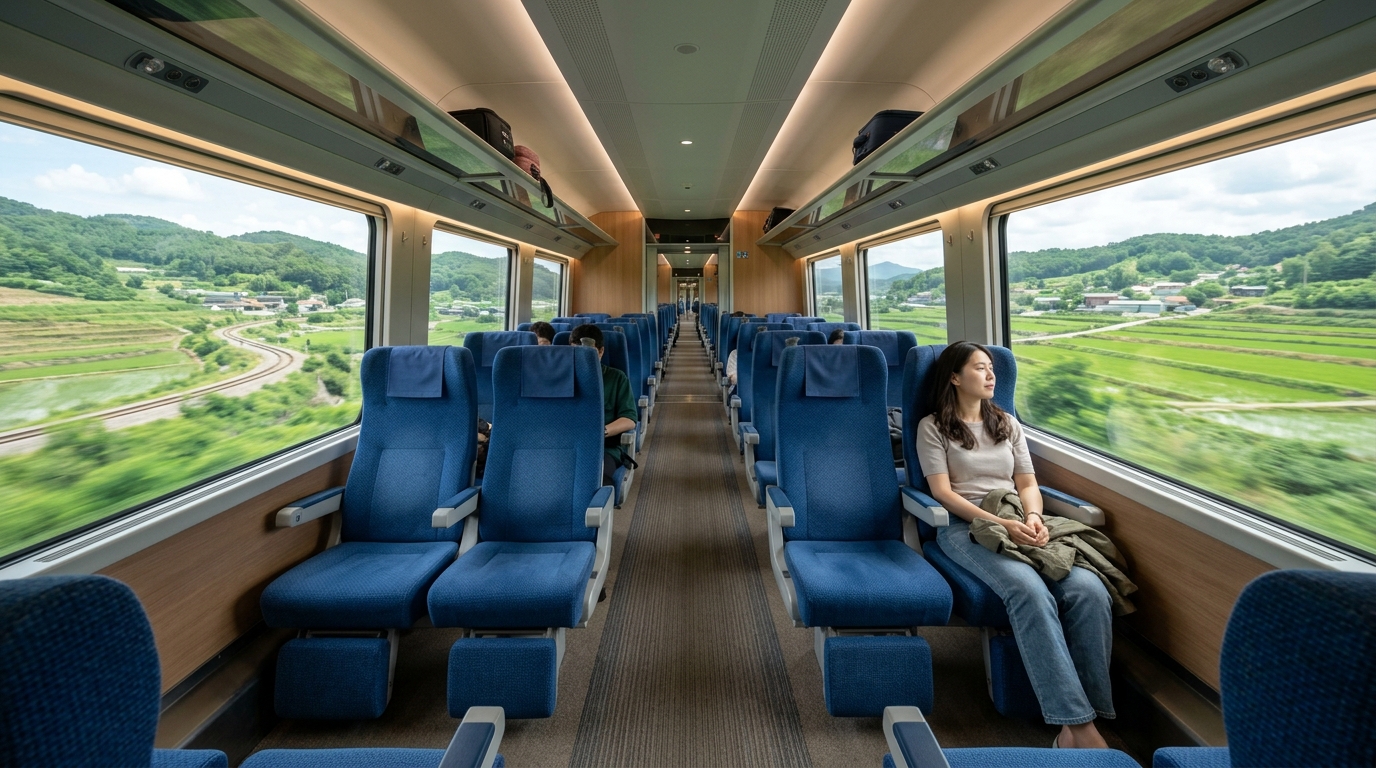
Non-Clinical Transit, Accommodation & Tax Rebate Benchmarks for Medical Visitors
Korea Travel Intelligence Analytical Report | Data Verified October 2026 (Ministry of Health and Welfare (MOHW) & Korea Health Industry Development Institute (KHIDI) Global Healthcare Inbound Report 2026.)
2026 MCST Foreign Patient Spending & Public Transport Tariff Baseline
Evaluating South Korea's inbound medical tourism network requires examining verified government statistics from the Ministry of Health and Welfare (MOHW) and the Korea Health Industry Development Institute (KHIDI). Inbound foreign patient volume reached 605,768 in 2023 and surpassed 720,000 in 2024–2025, with aesthetic dermatology accounting for the largest and fastest-growing single clinical segment.
Official Transit & Accommodation Expenditure Table (7-Day vs 14-Day Stays)
| Clinical Specialty | Patient Volume Share (%) | Average Outpatient Spend | Primary Cluster District |
|---|---|---|---|
| Aesthetic Dermatology (Laser, Skincare) | 35.2% of Total Inbound | 1,200,000–3,800,000 KRW | Gangnam-daero, Apgujeong-ro, Sinsa |
| Plastic & Reconstructive Surgery | 16.8% of Total Inbound | 4,500,000–12,000,000 KRW | Apgujeong Rodeo, Gangnam Station |
| Internal Medicine & Health Screening | 13.4% of Total Inbound | 1,500,000–5,000,000 KRW | Major University Hospitals (Asan, Samsung, SNUH) |
| Ophthalmology & Dental Care | 10.1% of Total Inbound | 1,800,000–4,200,000 KRW | Central Seoul (Myeongdong), Gangnam |
🏥 Clinic-Walkable Hotels & Direct Airport Transfer Options:
Analyzing Airport Transfer Modes and VAT Refund Net Recovery Rates
- Why Dermatology Leads Market Growth: Unlike invasive surgical procedures requiring 7–14 days of intensive inpatient monitoring, non-invasive dermatology treatments (laser toning, ultrasound lifting, skin boosters) involve minimal downtime, enabling travelers to combine treatment sessions with conventional leisure itineraries.
- Demographic Shift: Data demonstrates that solo female travelers aged 20–39 from Japan, Southeast Asia, and North America represent over 62% of aesthetic dermatology consultations, prioritizing clinics with dedicated English/Japanese translation coordinators.
- Regulatory Protection: Foreign patients treated at registered medical institutions are legally eligible for VAT refunds (7–8% cash back at airport tax-refund kiosks) upon presentation of medical treatment receipts.
Cost-Control Rules for Clinic Commuting and Airport Departures
Cross-referencing transit schedules, advance booking lead times, and official tariff structures eliminates unexpected travel friction and provides verifiable cost containment across all South Korea itineraries.
Medical VAT Refund Calculation Formula & 7-Day vs 14-Day Non-Clinical Cost Model
While our Seoul medical tourism clinic verification & hotel guide covers on-the-ground clinic registration checks, this report quantifies the non-clinical logistical overhead (accommodation, private ground transfers, recovery meals, and net VAT rebate recovery) based on official Ministry of Health and Welfare (MOHW) and Korea Tourism Data Lab benchmarks.
1. Net Medical VAT Tax Refund Formula (Cosmetic & Aesthetic Procedures)
- Eligible vs Non-Eligible Procedures: Elective aesthetic dermatology (laser toning, Ultherapy, Thermage, fillers, botulinum toxin, skin boosters) and cosmetic plastic surgery (rhinoplasty, blepharoplasty, liposuction, contouring) include a 10% Value Added Tax (VAT). Diagnostic health screenings, dental scaling/implants, reconstructive medical treatments, and prescription pharmacy drugs are already VAT-exempt (0% VAT) and therefore do not generate a tax refund slip.
- Net Rebate Equation: After refund-operator handling fees (Global Blue / Global TaxFree / Easy Tax Refund), foreign patients recover 7.0% to 8.0% of total gross clinical billing:
Net Rebate (KRW) ≈ Gross Aesthetic Bill (KRW) × 0.075
For example, on a ₩3,000,000 Gangnam dermatology or surgical invoice, the airside tax refund counter at Incheon Airport (T1 Gate 28 / T2 Gate 253) returns approximately ₩225,000 in cash or card credit—covering 100% of your round-trip private airport van transfers.
2. Ground Transit Mode Cost Comparison for Post-Procedure Patients
- 7-Day Non-Invasive Stay (Minimal Downtime): AREX Express round-trip (₩22,000) + 14 Gangnam subway/taxi clinic trips (₩45,000) = ₩67,000 total transit outlay.
- 14-Day Surgical Recovery Stay (Sedation & Bandages): Round-trip private airport van (₩190,000) + 8 round-trip Gangnam clinic follow-up taxis (₩80,000) = ₩270,000 total transit outlay (83% offset by the ₩225,000 medical VAT refund on a ₩3M procedure).
Related Korea Field Guides & Official Fare Comparisons
Continue planning your arrival, hotel transfers, and on-the-ground logistics with these verified guides:
- 2026 Incheon Airport transit cost & time database
- Incheon Airport vs Seoul Station & Myeongdong currency exchange spread data
- Seoul medical tourism total trip budget breakdown
- Seoul medical tourism recovery hotel guide
Official Sources & Data References
- Ministry of Health and Welfare (MOHW) & KHIDI — Foreign Patient Attraction Statistics & Medical Korea Official Report (https://www.medicalkorea.or.kr/en/main, Verified: 2026-11-11)
- Korea Tourism Data Lab (한국관광데이터랩) — Inbound Tourism & Medical Card Expenditure Official Dataset (https://datalab.visitkorea.or.kr/datalab/portal/main/getMainForm.do, Verified: 2026-11-11)
- Korea Customs Service (관세청) — Foreign Tourist Cosmetic Medical Services VAT Refund Guide (https://www.customs.go.kr/english/main.do, Verified: 2026-11-11)